
How to Dry Silicon-Carbon Anode Slurry for Lithium-Ion Batteries
Drying silicon-carbon anode slurry is not just a matter of adding heat. The slurry in this project enters with more than 90% water, while the line must operate under nitrogen protection. That combination makes the drying path, the gas system and the material handling arrangement just as important as the oven temperature.
This guide explains the engineering questions to answer before selecting a nitrogen-protected continuous tray oven for lithium-ion battery material production.
Start with the material and the specification
Before choosing equipment, define the feed and the required result:
| Input | Why it matters |
|---|---|
| Wet-basis feed rate | Sets the water evaporation duty and line capacity |
| Initial moisture | Determines the early drying load; this project starts above 90% water |
| Solids and rheology | Determines how the slurry is loaded, supported and released from trays |
| Tray loading depth | Affects drying path, residence time and moisture uniformity |
| Final moisture and test method | Defines the actual production target |
| Nitrogen purity and oxygen limit | Defines the protected-atmosphere system |
| Binder, solvent and impurity restrictions | Confirms material compatibility and safe process design |
Do not copy values from another battery-material line without checking them against your own slurry. A temperature, nitrogen flow or residence time that is appropriate for one formulation may not be appropriate for another.
Use a staged drying path
For high-moisture slurry, a useful process concept is to separate drying into two functions.
1. Remove free water under controlled conditions
The early zones are used to establish controlled evaporation of free water. In the LXHX-22 reference configuration, steam heating is used in the first section. The objective is to create a stable initial drying stage, not to apply the highest possible temperature immediately.
2. Complete final drying in later zones
Later zones in the reference line use electric heating and independent temperature control. This gives the process team the ability to tune the final part of the thermal profile to the target moisture and validated product condition.
The result is a repeatable route through the line rather than one undifferentiated oven setting. Read more about the process on our silicon-carbon anode slurry drying solution.
Treat nitrogen as part of the dryer, not an add-on
For this lithium-ion battery process, nitrogen protection is mandatory. It must therefore be designed together with the dryer:
- nitrogen supply and distribution;
- circulation and exhaust fans;
- humidity measurement and dehumidification where required;
- process monitoring and interlocks; and
- the specified oxygen limit, gas purity and exhaust treatment.
The agreement specifies nitrogen as a process utility, but the final gas conditions must be set by the material and battery-production specification. Do not turn a nitrogen requirement into an unsupported claim about a fixed oxygen ppm, explosion protection or material-performance outcome.
Choose continuous tray transfer when the process needs it
A continuous tray oven is useful when the process requires a defined residence path for a slurry carried on trays. Trolley-mounted trays move through the zones in sequence, while mechanical transfer, automatic doors and the PLC system support a repeatable operating cycle.
This differs from a batch hot air circulation oven, and from a conductive NMC disc continuous dryer selected for other battery-material process routes. Equipment selection should follow the feed form and the final product requirement, not only the word "battery" in the application.
Verify performance during engineering and commissioning
The reference LXHX-22 line is 22 m long and is designed for up to 8 t/day under its project conditions, with final moisture below 10%. Those are reference values, not fixed ratings for every silicon-carbon slurry.
Confirm the final design through material testing and commissioning against:
- target moisture and the agreed test method;
- moisture uniformity between trays and across the line;
- nitrogen conditions and monitoring requirements;
- temperature profile and residence time;
- wet-basis throughput; and
- product-quality checks defined by the customer.
Talk to Zhengyuan
Send us your slurry data, target moisture, nitrogen specification and production requirement. We will configure the continuous tray oven around your silicon-carbon anode process rather than applying a standard oven model.
---
Use this guide as engineering context, not as a substitute for material testing or a validated battery-material process specification.
Frequently Asked Questions
Related Products
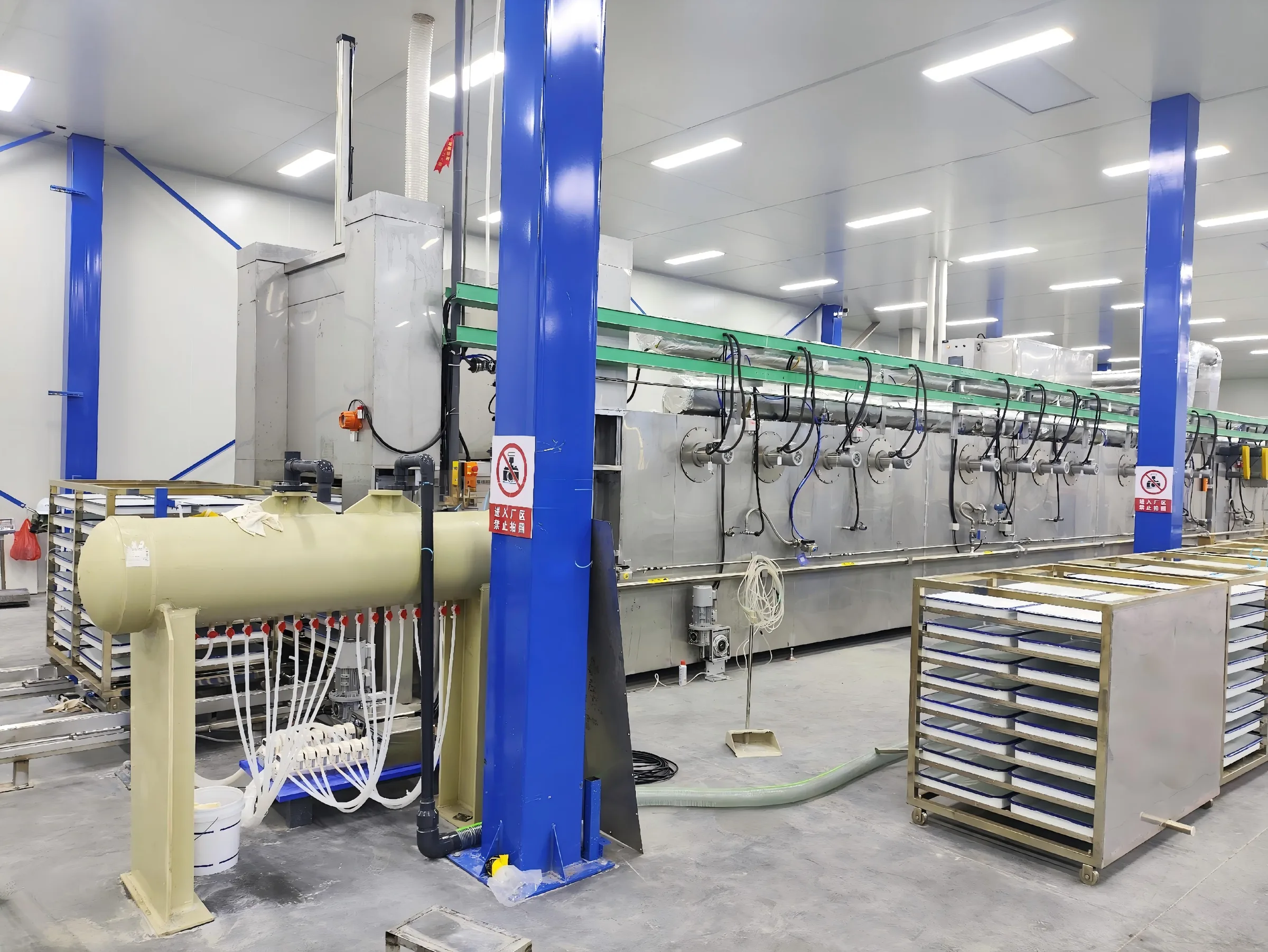
Nitrogen-Protected Continuous Tray Oven for Lithium-Ion Battery Materials
Nitrogen-protected continuous tray oven for drying high-moisture silicon-carbon anode slurry. Multi-zone steam and electric heating, automated trolley transfer and PLC process records.
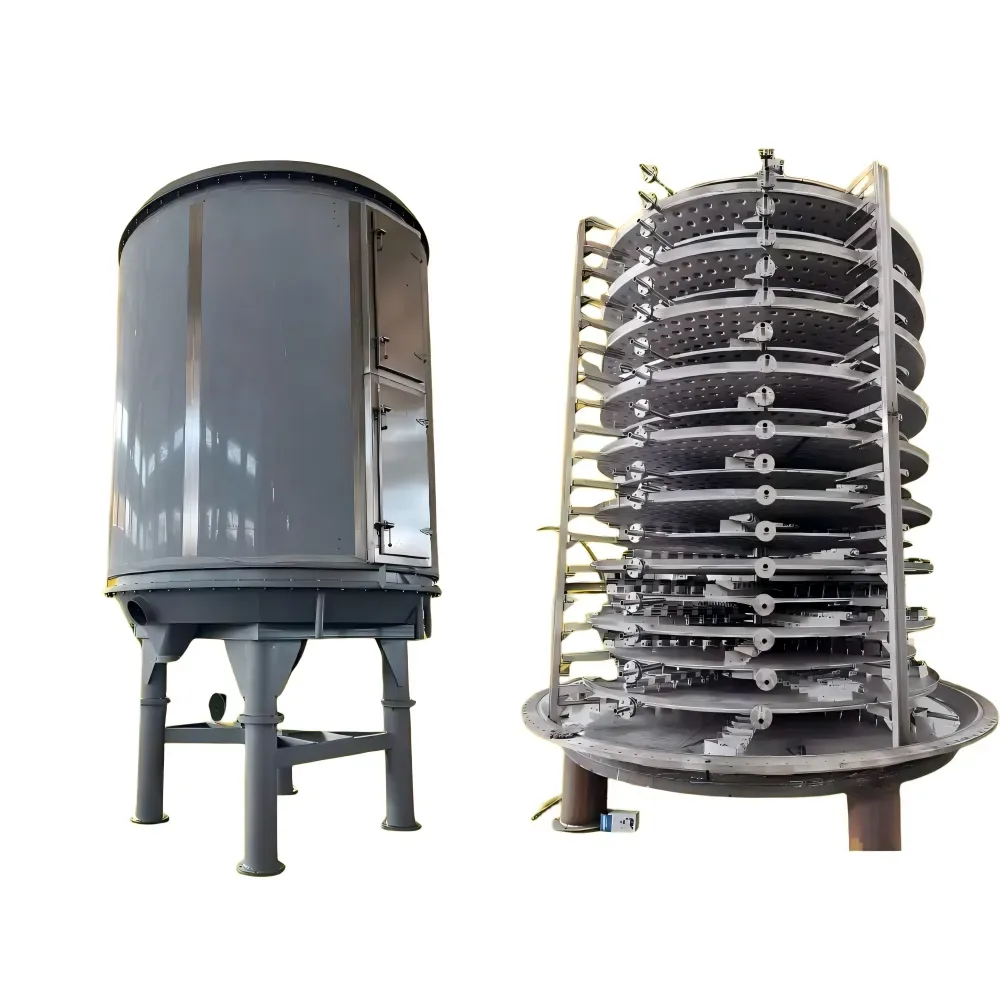
NMC Continuous Disc Dryer
Continuous disc dryer for nmc cathode material, a conductive dryer with high thermal efficiency, low energy use and a small footprint.
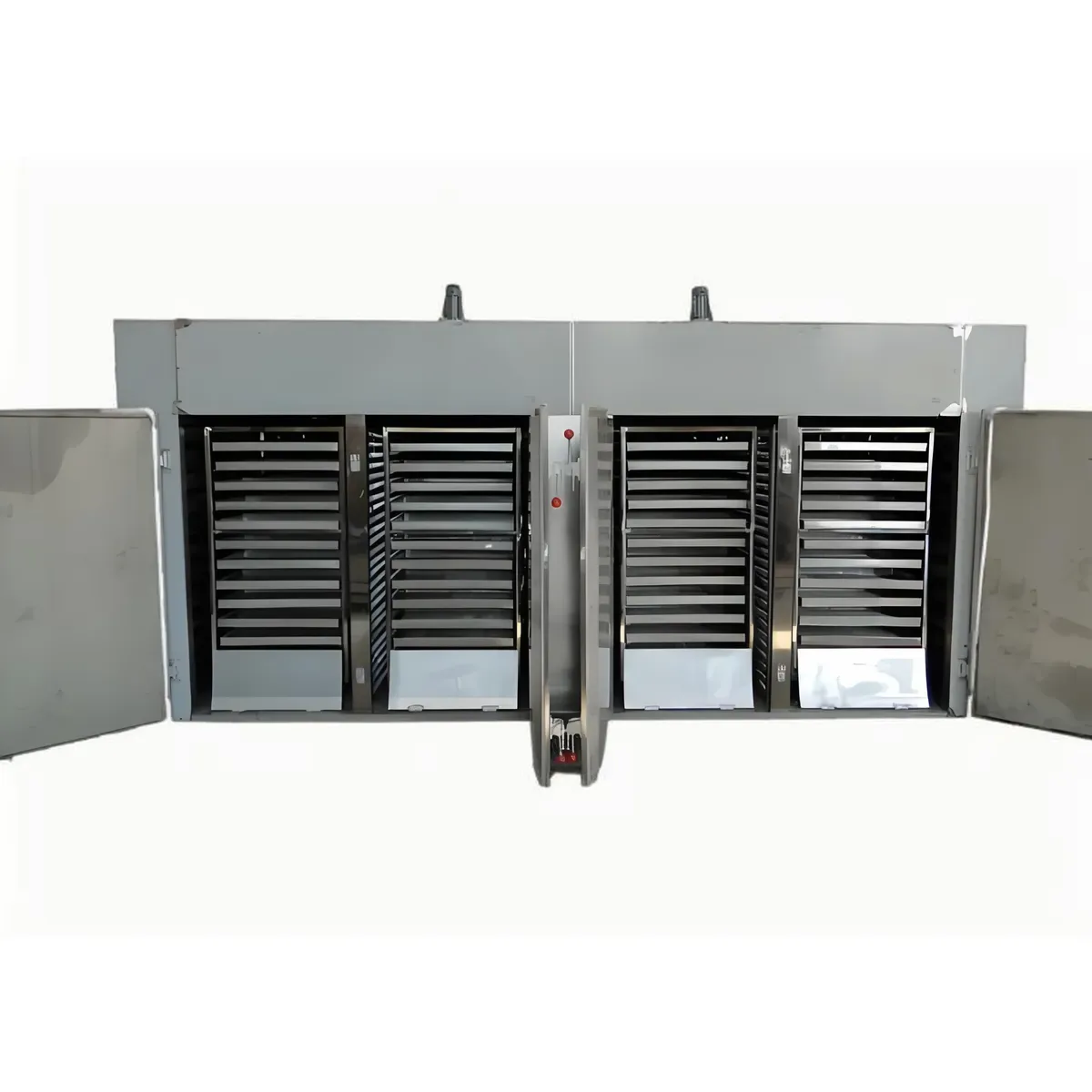
Hot Air Circulation Oven
Hot air circulation oven with a fully enclosed loop and adjustable air distribution for uniform, energy-efficient tray drying.