
Flash Dryer Operation, Configuration & Safety
Once a spin flash dryer is sized and installed, three things determine how well it runs day to day: a correct start-up and shutdown routine, the right feed and heat-source configuration for your material, and the safety measures that protect heat-sensitive and flammable products. This guide covers all three.
Standard operating procedure
Start-up
- Run pre-checks: confirm the fans and agitator turn freely and the chamber is clear of blockage.
- Start the induced-draft (exhaust) fan first — on a star-delta start, watch the ammeter as it comes up to speed.
- Start the blower (supply fan).
- Start the agitator.
- Bring the heating on and, once the inlet air reaches the set temperature, begin feeding.
Feeding
- Open the compressed-air valve and switch on the pulse (bag-cleaning) system.
- Open the steam or heat-source valve and bring the inlet temperature to its set point.
- Start the variable-frequency screw feeder and adjust the feed rate so the outlet temperature and product moisture hold steady.
Shutdown
- Stop feeding first.
- Close the steam or heat source.
- Keep the fans and agitator running for about 10 minutes to blow residual material out of the chamber.
- Let the temperature drop, then stop the agitator, blower and induced-draft fan in turn.
- Clean the product collector and bag filter before the next run.
Configuration options
A flash dryer is configured to the material. The two choices that matter most are the feed device and the heat source.
Feed devices
- Single-screw feeder
- Twin-screw feeder
- Twin-paddle mixer (back-mixes dried product into the wet feed to lower its stickiness)
- Feed box with an integral crusher (for lumpy cakes)
- Volumetric feeder
- Rotary (star) feeder
The feeder is chosen so viscous pastes and filter cakes enter evenly without bridging.
Heat-source options
- Direct or indirect combustion air heater running on gas or liquid fuel
- Solid-fuel furnace burning coal, sawdust, rice husk or biomass briquettes
- Indirect heater using steam, thermal oil or another heat-transfer fluid
- Electric air heater
Choose by fuel availability, the temperature you need, and whether the product can tolerate contact with combustion gas (direct firing) or needs clean, indirectly-heated air. Indirect heating and waste-heat recovery also lower running cost.
Safety for heat-sensitive and flammable materials
The main hidden risk is the hot-air furnace itself. If a furnace weld cracks and leaks, flue gas carrying sparks can enter the drying airflow — which can contaminate or ignite the product, burn the filter bags, or in the worst case cause a system explosion.
For heat-sensitive organics and flammable materials, the answer is to keep combustion gas out of the drying air entirely:
- Use an indirect heating arrangement (or flue-gas isolation) so combustion gas and sparks never reach the material.
- Add explosion-proof motors and anti-static design for flammable feeds.
- Run as a closed loop with inert-gas (nitrogen) protection where oxidation or flammability is a concern (see the energy, emissions and safety FAQ on the selection guide).
This is what makes a flash dryer safe for sensitive products such as dye intermediates, fine-chemical actives and organic flame retardants.
Keep it running well
A correct routine, the right configuration and these safety measures work alongside a good maintenance schedule — see the maintenance and troubleshooting guide. To match a dryer to your material in the first place, start with the selection guide, or view the Spin Flash Dryer range.
Related Products
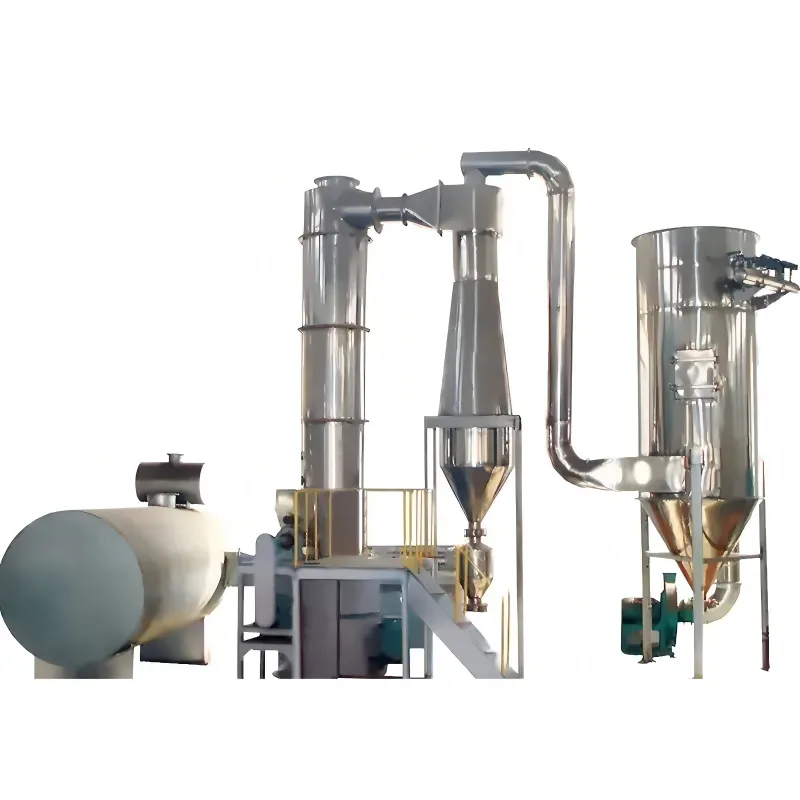
Spin Flash Dryer
XSG spin flash dryer for filter cakes, pastes and slurries. Dries, disintegrates and classifies in one chamber. Seven models evaporating 58–1,203 kg/h of water.
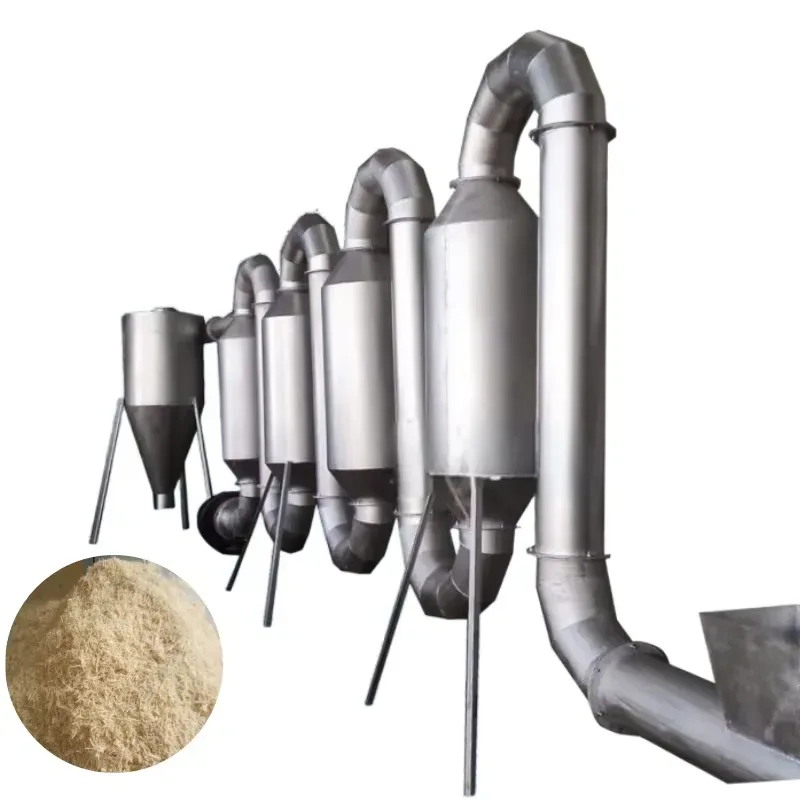
Pulse Flash Dryer
Pulse flash dryer using instantaneous airborne drying to remove free moisture from powders and granules at high throughput.