
Flash Dryer vs Spray Dryer vs Fluid Bed Dryer: Which One for Your Material?
Flash, spray and fluid bed dryers are the three workhorses of continuous industrial drying — and they are not interchangeable. Choosing the wrong one means a dryer that can't even accept your feed, let alone hit your moisture target. The good news is that the choice usually comes down to one question.
The one question that decides it: what state is your feed in?
- A pumpable liquid — a solution, suspension, emulsion or thin slurry → spray dryer. It atomises the liquid into a fine mist that dries to powder in the hot-air chamber.
- A wet cake, paste, filter cake or sludge — too thick to pump, often sticky → flash dryer (a spin flash dryer adds a bottom agitator to break up sticky cakes).
- An already-granular, free-flowing solid — crystals, pre-formed granules, or material that just needs secondary drying → fluid bed dryer, which suspends the particles in an upward hot-air stream.
Get this match right and the rest of the selection (size, materials, controls) follows. Get it wrong and no amount of tuning will help.
Side-by-side comparison
| Spray Dryer | Flash Dryer (spin) | Fluid Bed Dryer | |
|---|---|---|---|
| Feed state | Pumpable liquid: solution, suspension, emulsion, thin slurry | Wet cake, paste, filter cake, sludge | Free-flowing granular solid, pre-formed granules |
| How it works | Atomises feed into a mist contacted with hot air | Disintegrates and disperses feed into a high-velocity rotating hot-air field | Suspends particles on a perforated plate in upward hot air |
| Residence time | Seconds | Seconds | Minutes |
| Typical particle size out | Fine powder (~10–500 µm) | Fine powder | Coarser granules (up to a few mm) |
| Best for | Liquids → powder (milk, detergents, ceramics, pharma APIs) | High-moisture/viscous cakes, sludges, heat-sensitive solids | Secondary drying, crystals, granules, uniform granular product |
| Not suitable for | Thick cakes or pastes that won't pump | Free-flowing dry granules (use fluid bed) | Liquids or sticky pastes (won't fluidise) |
| Maintenance note | Atomiser/nozzle wear; more control complexity | Agitator/lining wear on abrasive feeds | Fewer moving parts, generally easier |
When each one wins
Spray dryer — for liquids
If your starting material is pumpable, the spray dryer is the natural choice. It turns a liquid straight into a dry powder in one step, with droplets atomised by a rotary wheel or nozzles and dried in seconds, which protects heat-sensitive products such as dairy, food and pharmaceutical actives. It is the standard for milk, coffee, detergents, ceramic slips and many fine chemicals. The trade-off is a taller, more complex machine and atomiser parts that wear and need replacing. See our spray dryer range.
Flash dryer — for wet cakes and pastes
When the feed is a filter cake, centrifuge discharge, paste or sludge that is too thick to pump but too wet and sticky to fluidise, the flash dryer is the answer. A spin flash dryer disperses the material into a high-velocity hot-air stream and removes moisture almost instantly, while a bottom agitator shears sticky cakes apart. It is compact, combines drying, crushing and classification in one machine, and suits heat-sensitive solids because residence time is only seconds. See how a flash dryer works and our Spin Flash Dryer.
Fluid bed dryer — for granular solids and secondary drying
If the material is already a free-flowing granular solid — crystals, granules, or a product coming off another dryer that needs finishing — the fluid bed dryer gives gentle, uniform drying by suspending the particles in upward-flowing hot air. It runs at lower temperatures, is energy-efficient, and the same platform can also granulate and coat. It is the industry standard for secondary drying and for products that must stay granular and non-dusty. See our fluid bed dryer range.
They often work together
These technologies are complementary, not just competitors. A very common pairing is a spray dryer followed by a fluid bed: the spray dryer makes the powder, and the fluid bed agglomerates it into larger, free-flowing, low-dust granules — a combination that dominates food and pharmaceutical production. Likewise, a flash dryer plus a fluid bed can take a wet cake down to a finished, uniform granular product. Thinking in terms of a drying line rather than a single machine often gives the best result.
Quick decision summary
- Liquid you can pump → spray dryer
- Wet cake, paste or sludge → flash dryer
- Granular solid or secondary drying → fluid bed dryer
- Liquid-to-granule in one line → spray + fluid bed
Not sure which fits your material? Start with the flash dryer selection guide, or compare the full ranges: flash dryers, spray dryers and fluid bed dryers.
Related Products
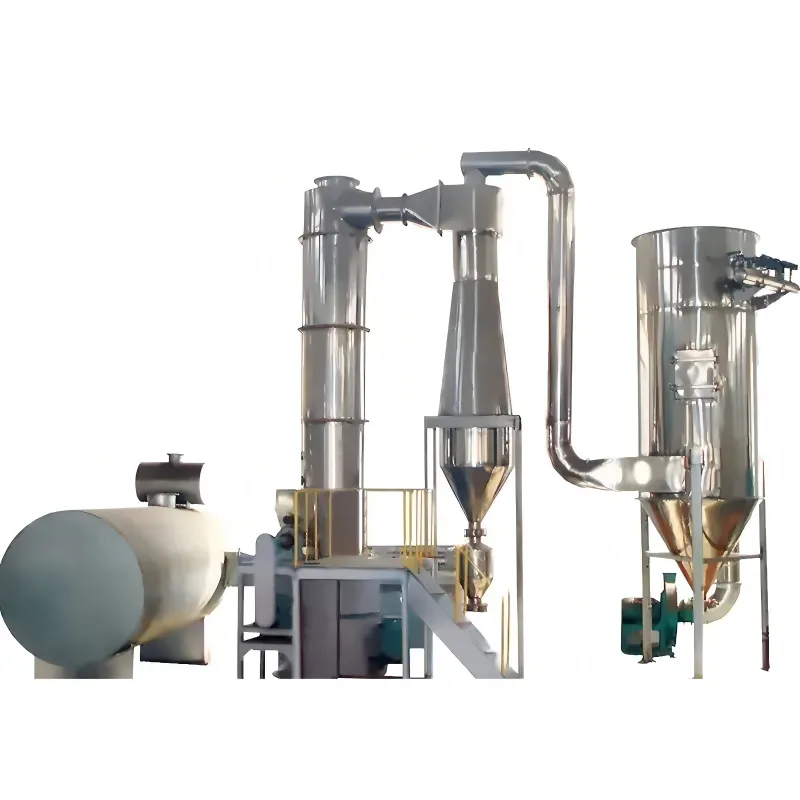
Spin Flash Dryer
XSG spin flash dryer for filter cakes, pastes and slurries. Dries, disintegrates and classifies in one chamber. Seven models evaporating 58–1,203 kg/h of water.
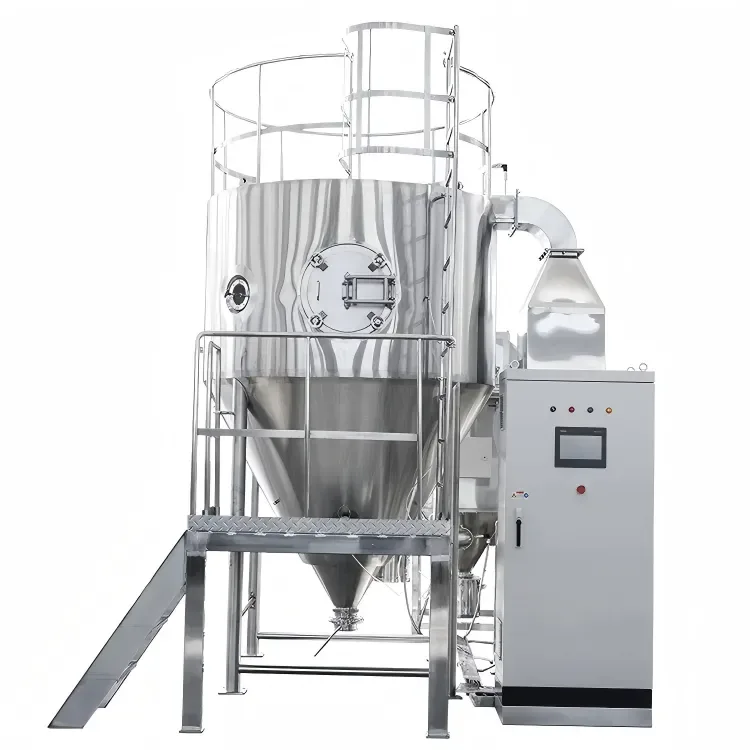
High-Speed Centrifugal Spray Dryer
Centrifugal spray dryer turning solutions, suspensions, emulsions and pastes into powder in one pass. Models from 5 to 2,000 kg/h water evaporation.
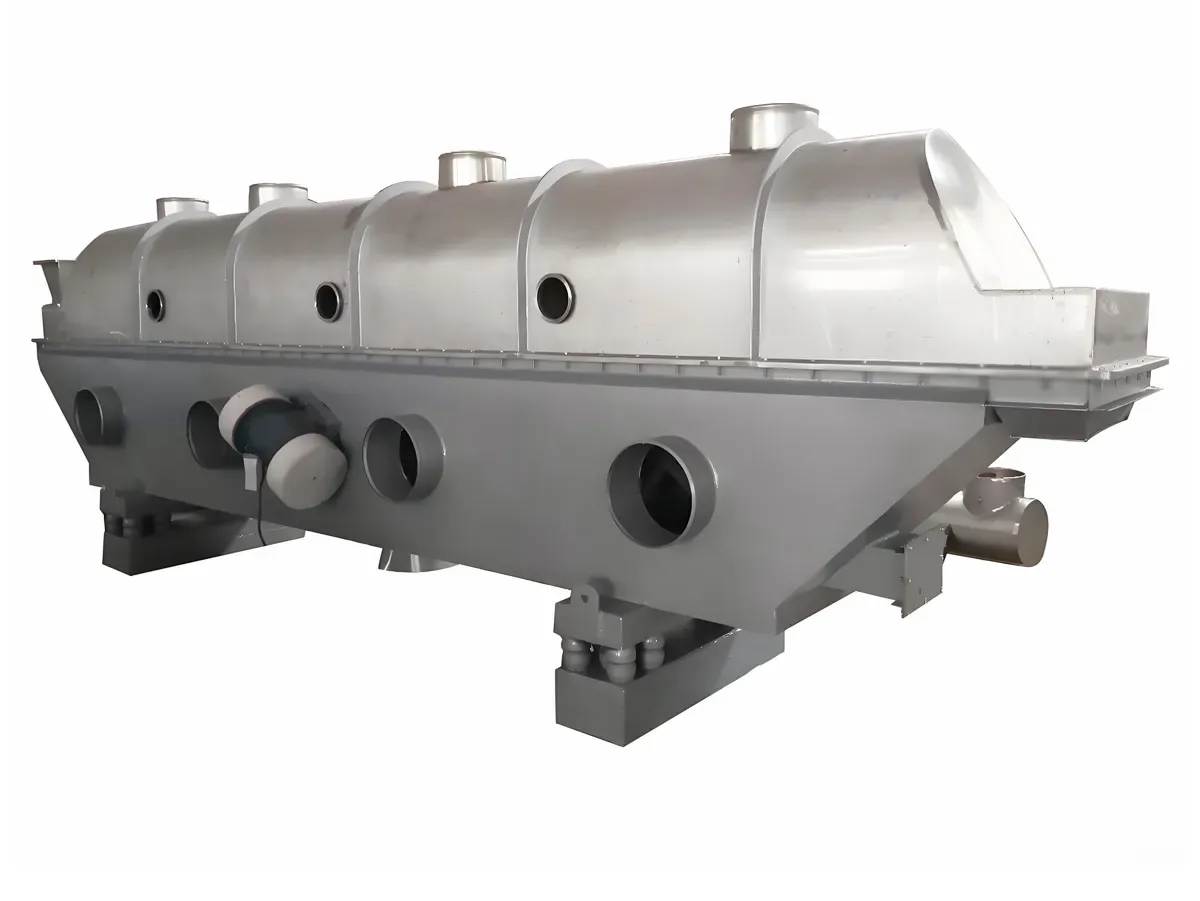
High-Efficiency Fluid Bed Dryer
High-efficiency batch fluid bed dryer with a stirred hopper and closed negative-pressure operation for fast, uniform GMP drying.